
Description
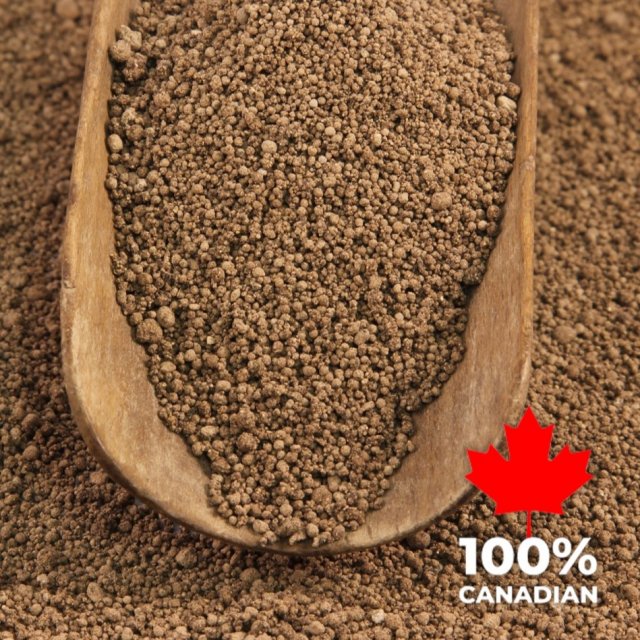
Bone meal, from a bovine source, has been used in gardens as a phosphorus and calcium source, coming in at around 15% phosphorous and It is sourced from bones that are steamed, dried, and ground down. It can be more readily accessed by the plant roots than a colloidal phosphate [soft rock phosphate], but works best in conjunction with a good mychorizal product. For this reason, it works best in soil that has a ph of 7.0 or below- much over this and the phosphorous in the bonemeal cannot be accessed. Bone meal also provides a source of calcium for your soil.
Application
As a general rule, use bonemeal at one tablespoon per planting hole, especially at transplanting time. Alternatively, you can apply 1 pound for every 10 sq ft of soil surface.
In potting soils and mixes, use at 1/2 cup per cubic foot of mix.
This product is approved for organic use.
Equivalency Measurement – 4 cups/1kg
Bone meal is a natural fertilizer made from steamed, dried, and finely ground bovine bones. It typically contains ~15% phosphorus and a valuable dose of calcium.
🌿 What It Does for Plants
- Boosts root development thanks to slow‑release phosphorus
- Supports flowering and fruiting
- Improves soil calcium levels, strengthening cell walls and reducing issues like blossom‑end rot
- More plant‑available than colloidal/soft rock phosphate, especially when paired with mycorrhizal fungi
- Works best in soils with a pH of 7.0 or below — phosphorus becomes harder for plants to access in alkaline soils


